EN
EN

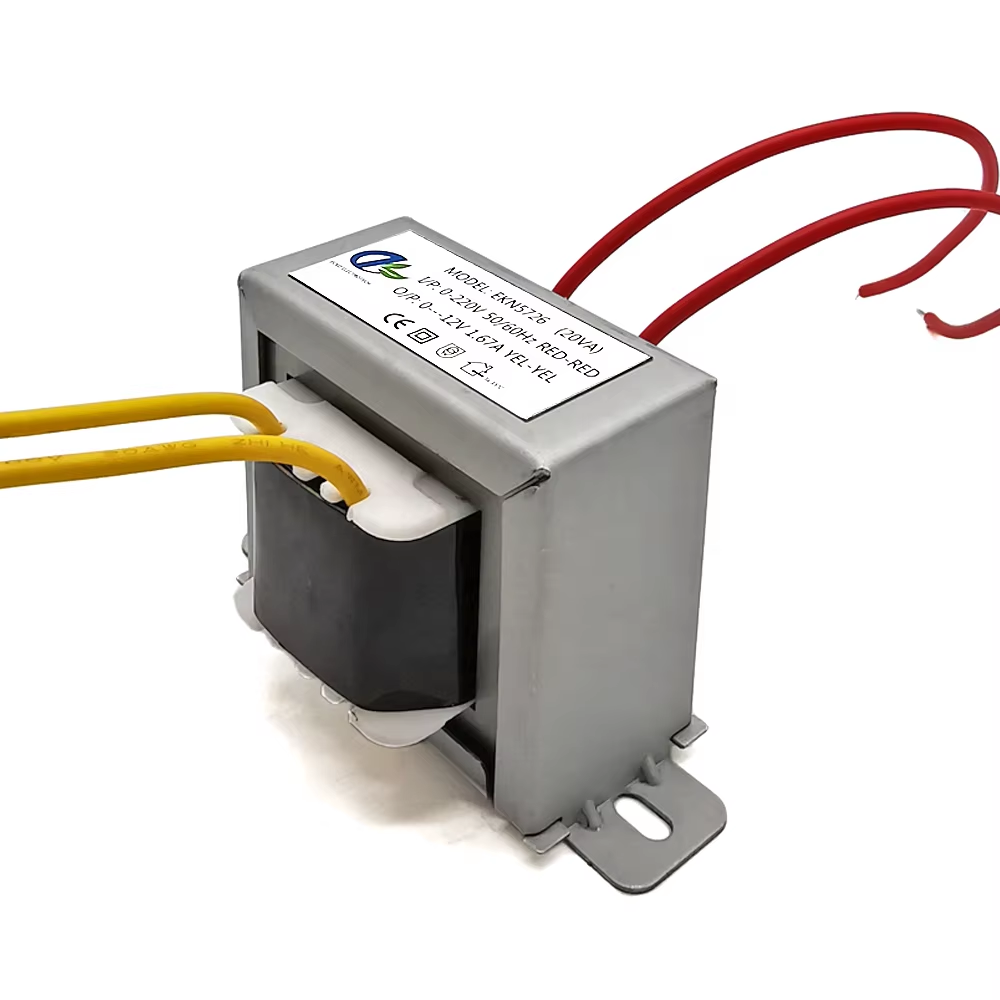
Att välja rätt partner för tillverkning av anpassade transformatorer är ett avgörande beslut som direkt påverkar produktkvaliteten, produktionstiderna och den långsiktiga operativa framgången. När elkretsar blir allt mer specialiserade inom olika branscher ökar efterfrågan på anpassade transformatorlösningar hela tiden. Oavsett om du behöver anpassade spänningskonfigurationer, specifika monteringsdesigner eller unika frekensegenskaper avgör samarbetet med en kompetent tillverkare om ditt projekt lyckas eller möter kostsamma förseningar och prestandaproblem. Komplexiteten i tillverkningen av anpassade transformatorer kräver tillverkare med djup teknisk expertis, robusta kvalitetskontrollsystem och flexibilitet att anpassa designerna till exakta applikationskrav.
Processen för att utvärdera potentiella partners för anpassad transformatorproduktion omfattar flera dimensioner utöver initiala prisöverväganden. Tillverkare skiljer sig åt avsevärt när det gäller deras tekniska kompetens, materialanskaffningspraktiker, testprotokoll och förmåga att skala upp produktionen samtidigt som kvalitetskonsekvensen bibehålls. Att förstå hur man systematiskt bedömer dessa faktorer gör det möjligt för inköpsavdelningar och tekniska chefer att identifiera partners som kan leverera transformatorer som uppfyller exakta specifikationer samtidigt som de tillhandahåller pålitlig support under hela produktens livscykel. Denna omfattande utvärderingsram säkerställer att er partner för anpassad transformatorproduktion blir en strategisk tillgång snarare än en källa till pågående komplikationer.
Förståelse av kärnkompetenser inom anpassad transformatorproduktion
Expertis inom konstruktionsingenjörskap och omfattning av anpassningsmöjligheter
Grunden för framgångsrik tillverkning av anpassade transformatorer ligger i tillverkarens ingenjörsmässiga designförmåga. En kvalificerad partner måste visa prov på kompetens inom elektromagnetisk design, strategier för termisk hantering och materialval för olika driftmiljöer. Utvärdera om potentiella tillverkare använder erfarna elkonsulter som kan översätta dina applikationskrav till optimerade transformatorer. Begär exempel på tidigare projekt med anpassad transformatorproduktion som visar deras förmåga att hantera icke-standardiserade spänningsförhållanden, ovanliga effektklassningar eller specialanpassade monteringskonfigurationer. Tillverkare med starka designlag erbjuder vanligtvis omfattande stöd från initial konceptutveckling via prototypframställning till slutlig produktion.
Anpassningsområdet som en tillverkare kan hantera avslöjar mycket om deras tekniska kompetens inom anpassad transformatorproduktion. Vissa anläggningar specialiserar sig på mindre variationer av standarddesigner, medan andra har verktyg och expertis för att skapa helt unika konfigurationer. Undersök om de kan ändra kärnmaterial, justera lindningstekniker, integrera anpassade anslutningar eller införliva specialiserade isoleringssystem. Partner med bredare anpassningsmöjligheter erbjuder större flexibilitet när dina produktspecifikationer utvecklas. Dessutom bör du fråga om deras erfarenhet av olika transformatorer, inklusive toroidala, EI-kärnor och inkapslade design, för att säkerställa att de stämmer överens med dina specifika krav.
Kontroll av tillverkningsprocessen och kvalitetssystem
Tillverkningsprocessens styrning påverkar direkt konsekvensen och tillförlitligheten hos anpassade transformatorers produktionsresultat. Avancerade tillverkare implementerar systematiska kvalitetsstyrningssystem som styr varje produktionssteg, från inspektion av råmaterial till slutprovning. Vid utvärdering av partner bör du undersöka om anläggningarna har ISO 9001-certifiering eller motsvarande kvalitetsstandard som visar på dokumenterade processkontroller. Begär besök på anläggningen eller detaljerad processdokumentation som avslöjar hur de hanterar lindningsprecision, isoleringstillämpning, impregneringsprocesser och monteringsförfaranden. Tillverkare som investerar i automatiserad lindningsutrustning och produktionsmiljöer med klimatkontroll levererar vanligtvis bättre konsekvens jämfört med de som främst förlitar sig på manuella processer.
Testprotokoll som implementerats under tillverkningen av anpassade transformatorer fungerar som en avgörande verifiering av att färdiga enheter uppfyller specifikationerna. Omfattande tester bör inkludera verifiering av elektriska parametrar, såsom noggrannhet i spänningsförhållandet, impedansmätningar och isolationsmotståndstestning. Utvärdering av termisk prestanda under belastningsförhållanden säkerställer att transformatorerna kommer att fungera pålitligt i verkliga driftmiljöer. Undersök särskilt deras förmåga att utföra dielektriskt hårdhetstest, delurladdningstest för högspänningsapplikationer samt eventuella branschspecifika certifieringar som de innehar. Leverantörer som genomför rigorösa tester och levererar detaljerade testrapporter med varje leverans visar ett engagemang för kvalitet som minskar fel i fältet och garantianspråk.
Materialinköp och komponenters kvalitetskrav
Kvaliteten på materialen som används i tillverkning av anpassade transformatorer påverkar grundläggande prestanda, livslängd och säkerhetsparametrar. Pålitliga tillverkare bygger relationer med certifierade leverantörer av kärnmaterial i stål, koppartråd, isoleringsmaterial och inkapslingsmedel. Vid utvärdering av partner bör man undersöka deras metoder för materialinköp samt om de har spårbarhetssystem för kritiska komponenter. Kärnor i högkvalitativ silikonstål med låga kärnförluster förbättrar transformatorns verkningsgrad avsevärt, medan korrekt klassificerad koppartråd säkerställer optimal elektrisk ledningsförmåga och termisk prestanda. Tillverkare som köper in material från etablerade leverantörer och utför kvalitetskontroller vid mottagning minimerar risken för fel relaterade till komponenter.
Kvaliteten på isoleringssystemet utgör en annan avgörande faktor i tillverkningen av specialtransformatorer som direkt påverkar säkerhet och tillförlitlighet. Olika applikationer kräver specifika isoleringsklasser som är godkända för vissa temperaturområden och miljöförhållanden. Se till att potentiella partners förstår principerna för isoleringskoordination och väljer material som är lämpliga för er driftsmiljö. För tillverkning av specialtransformatorer avsedda för hårda industriella miljöer bör tillverkare erbjuda alternativ såsom tropikbehandling, fuktbeständiga lacker eller specialiserad inkapsling. Partners som proaktivt diskuterar avvägningar vid val av material och rekommenderar lämpliga specifikationer baserat på er applikation visar teknisk mognad, vilket leder till bättre långsiktig produktprestanda.
Utvärdering av produktionskapacitet och skalbarhetsfaktorer
Flexibilitet vad gäller tillverkningsvolym och hantering av ledtider
Flexibilitet vad gäller produktionsvolymen skiljer tillverkare som faktiskt kan stödja din företagsutveckling från de som är begränsade till specifika orderkvantiteter. När du utvärderar partner för anpassad transformatorproduktion bör du bedöma deras förmåga att hantera både prototypkvantiteter och slutliga produktionsvolymer. Vissa tillverkare pålägger minimiorderkvantiteter som kanske inte stämmer överens med dina initiala produktlanserings- eller testfaser. Andra har flexibla tillverkningsceller som effektivt kan producera små partier utan avsevärda kostnadsökningar. Att förstå deras ekonomiska orderkvantiteter och hur prissättningen skalar med volym hjälper dig att prognosticera den totala ägandekostnaden när din produkt går igenom olika livscykelsteg.
Förmågan att hantera ledtider påverkar i betydande utsträckning produktutvecklingsschemat och lagerplaneringen för tillverkning av anpassade transformatorer. Begär detaljerad information om typiska ledtider för initiala prototyper, designiterationer samt produktionsorder i olika storlekar. Tillverkare med omfattande eget lager av kärnmaterial och standardkomponenter uppnår i allmänhet kortare ledtider än de som är beroende av längre leveranskedjor. Utvärdera deras tillvägagångssätt vid expedierade beställningar och om de bibehåller kapacitetsbuffertar för att möta brådskande krav. Partner som implementerar efterfrågeplaneringssystem och proaktivt kommunicerar om kapacitetsbegränsningar hjälper till att förhindra produktionsfördröjningar som stör dina tillverkningsscheman eller marknadsintroduktionstidslinjer.
Teknisk support under hela produktlivscykeln
Komplex teknisk support sträcker sig längre än den inledande designhjälpen och omfattar hela produktlivscykeln vid tillverkning av anpassade transformatorer. Utvärdera om potentiella partners tilldelar dedicerade tekniska kontaktpersoner som utvecklar förståelse för dina specifika applikationer och krav. Denna kontinuitet säkerställer effektiv kommunikation vid designändringar, felsökning eller ändringar av specifikationer när produkten produkter mognar. Tillverkare som erbjuder granskning av designen ur tillverkningsperspektiv kan identifiera potentiella produktionsutmaningar tidigt och föreslå ändringar som förbättrar utbytet och minskar kostnaderna utan att påverka prestandan. Tillgängligheten av responsiv teknisk support blir särskilt värdefull vid hantering av fel på plats eller vid implementering av produktförbättringar baserat på kundfeedback.
Dokumentationskvaliteten som tillhandahålls under framställningen av anpassade transformatorer speglar tillverkarens professionalism och engagemang för kundens framgång. Omfattande dokumentation bör inkludera detaljerade ritningar med måtttoleranser, fullständiga elektriska specifikationer, materialcertifikat och provningsprotokoll för varje produktionsomgång. Partner som underhåller strukturerade dokumentationssystem möjliggör effektiva kvalitetsgranskningar, förenklar efterlevnadsaktiviteter enligt regler och stödjer produktcertifieringsprocesser. Dessutom underlättar tillverkare som sparar historiska konstruktionsfiler och produktionsregister framtida om-beställningar och säkerställer konsekvens även år efter den ursprungliga produktionen, vilket ger värdefull kontinuitet när er affärsrelation utvecklas.
Geografiska överväganden och leveranskedjans motståndskraft
Den geografiska platsen för tillverkningen av anpassade transformatorer påverkar logistikkostnaderna, ledtider och utsattheten för leveranskedjans risker. Inhemsk tillverkning erbjuder vanligtvis fördelar vad gäller kommunikationsresponsivitet, skydd av immateriella rättigheter och minskad komplexitet i samband med frakt, även om produktionskostnaderna ofta är högre. Utlandsbaserad tillverkning kan ge kostnadsfördelar, men medför längre ledtider, potentiella utmaningar vad gäller kvalitetskontroll samt utsatthet för geopolitiska störningar. Vid bedömning av platsrelaterade avvägningar bör den totala landade kostnaden – inklusive transport, tullar och lagerhållningskostnader – beaktas istället for att enbart fokusera på styckpriset. För kritiska applikationer eller produkter med frekventa designuppdateringar kan närliggande tillverkning ofta motivera högre produktionskostnader genom förbättrad samarbetsmöjlighet och snabbare iterationscykler.
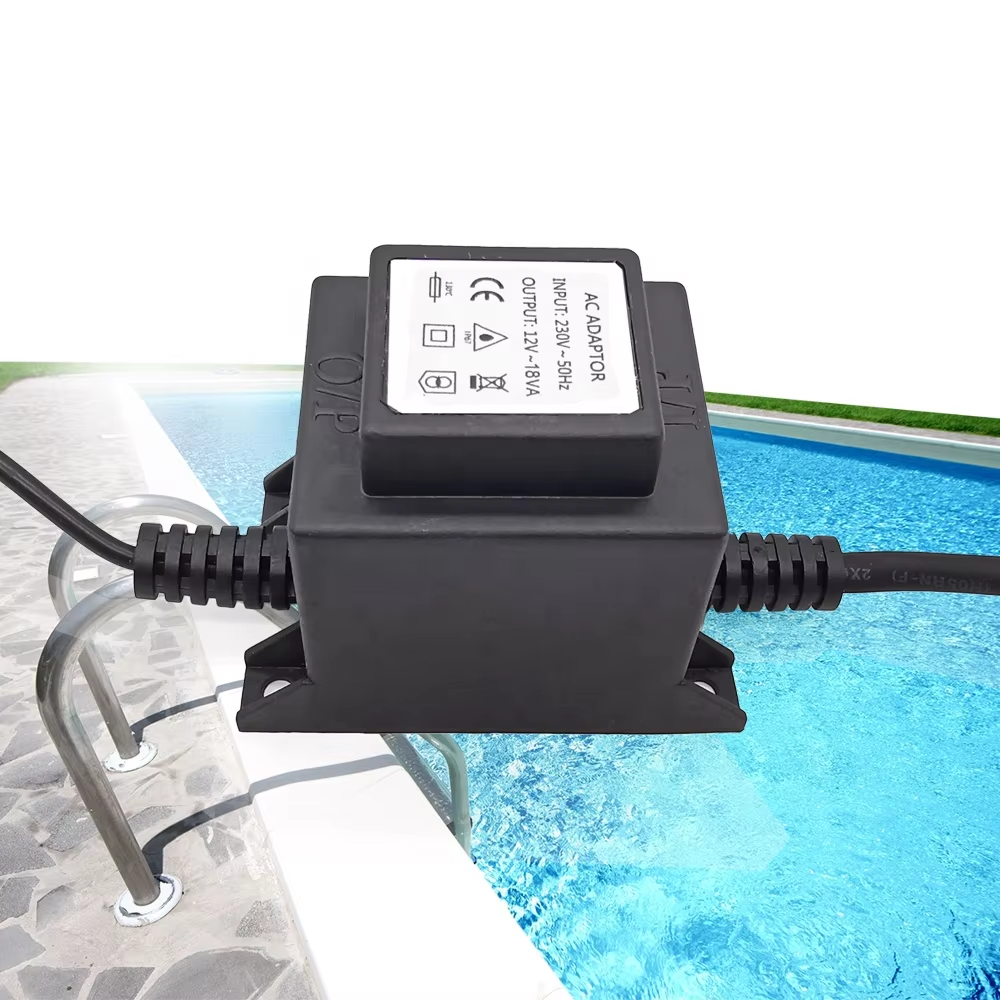
Leveranskedjans motståndskraft har fått ökad betydelse efter de senaste globala störningarna som påverkat tillverkningen av specialtransformatorer och tillgängligheten av komponenter. Utvärdera om potentiella tillverkningspartners har mångfaldigade leveranskällor för kritiska material eller har etablerat lagerbuffertar för komponenter med långa ledtider. Tillverkare med flera produktionsanläggningar eller etablerade reservleverantörer visar större förmåga att säkerställa kontinuitet under leveransstörningar. Undersök deras affärsfortsättningsplanering, återhämtningsrutiner vid katastrofer samt historisk prestanda vid brist på material eller logistikutmaningar. Partners som proaktivt kommunicerar om risker för leveranskedjan och gemensamt utvecklar mildrande strategier hjälper till att skydda dina produktionsplaner mot externa störningar som ligger utanför din kontroll.
Utvärdering av kvalitetscertifieringar och efterlevnadsförmåga
Branschspecifika certifieringar och efterlevnad av standarder
Branschcertifieringar ger objektiv validering av en tillverkares förmågor inom tillverkning av anpassade transformatorer och efterlevnad av erkända kvalitetsstandarder. ISO 9001-certifiering visar att omfattande kvalitetsledningssystem har införts, vilka täcker design, produktion och kundtjänstprocesser. För transformatorer som används inom specifika branscher blir ytterligare certifieringar avgörande. Medicintekniska apparater kräver efterlevnad av ISO 13485, medan bilkomponenter kan kräva IATF 16949-certifiering. Utvärdera om potentiella partners underhåller certifieringar som är relevanta för dina målmarknader och om deras certifieringsomfattning inkluderar anpassad transformatorproduktion snarare än endast standardprodukter.
Överensstämmelse med säkerhets- och prestandastandarder, såsom UL-, CE- eller CSA-krav, säkerställer att tillverkning av anpassade transformatorer uppfyller de regulatoriska förväntningarna för målmarknaderna. Tillverkare som är bekanta med dessa standarder kan utforma transformatorer som klarar certifieringstesterna vid första försöket, vilket undviker kostsamma omdesigncykler. Undersök om de har relationer till erkända provningslaboratorier och kan underlätta produktcertifieringsprocesser. Vissa tillverkare erbjuder plattformsdesigner med förutfärdigad certifiering som kan anpassas inom definierade parametrar utan att påverka befintliga godkännanden, vilket avsevärt förkortar tiden till marknaden. Partner med erfarenhet av att navigera internationella standardskillnader ger värdefull vägledning vid planering av produkter för flera geografiska marknader.
Miljö- och hållbarhetspraxis
Miljöhänteringssystem som implementeras under framställningen av kundspecifika transformatorer påverkar allt mer partnersval, eftersom företag stärker sina hållbarhetsengagemang. Tillverkare med miljöcertifiering enligt ISO 14001 visar systematiska tillvägagångssätt för att minimera miljöpåverkan från sina verksamheter. Utvärdera deras praktiker vad gäller hantering av farliga ämnen, initiativ för minskning av avfall samt energieffektivitet i tillverkningsprocesser. Partners som har eliminerat eller minskat användningen av farliga ämnen i tillverkningen är i linje med kraven i RoHS och REACH, vilket förenklar efterlevnaden av regleringar för färdiga produkter. Dessutom stödjer tillverkare som tillämpar principer för cirkulär ekonomi genom återvinningsprogram för material och planering för produkters livscykelslut företagets bredare hållbarhetsmål.
Överväganden kring energieffektivitet i framställningen av specialtransformatorer sträcker sig bortom transformatorerna själva och omfattar även tillverkningsprocesser och anläggningens drift. Tillverkare som investerar i energieffektiv produktionsutrustning, förnybara energikällor eller omfattande energihanteringssystem visar ett engagemang för hållbarhet som väcker resonans hos miljömedvetna kunder. Begär information om deras initiativ för att minska koldioxidavtrycket och om de kan tillhandahålla produktspecifik data om miljöpåverkan. Partners som är villiga att samarbeta kring designoptimeringar som förbättrar transformatorernas effektivitet eller minskar materialanvändningen skapar möjligheter till differentiering på marknader där hållbarhet utgör en konkurrensfördel.
Skydd av immateriella rättigheter och sekretess
Skydd av immateriella rättigheter blir av yttersta vikt när man samarbetar med partner för anpassad transformatorproduktion som innefattar ägda design eller nya tillämpningar. Utvärdera potentiella tillverkares policyer gällande konfidentialitet kring design, sekretessavtal och fysiska säkerhetsåtgärder för att skydda ägda uppgifter. Pålitliga tillverkare är villiga att underteckna omfattande sekretessavtal innan de granskar detaljerade specifikationer eller ägda krav. Bedöm om de har avskilda produktionsområden för anpassade projekt, begränsar anställdas tillträde till känslomässig designinformation och implementerar datasekuritetsprotokoll för elektroniska designfiler. Tillverkare med etablerade praxis för immaterialrättighetsskydd minskar risken för läckage av design till konkurrenter eller obehörig reproduktion av anpassade produkter.
Ansvarsfördelningen för design och reglering av dokumentkontroll bör uttryckligen behandlas innan anpassad transformatorproduktion påbörjas. Klargör om immateriella rättigheter till designen förblir hos ert företag eller om de delas med tillverkaren, särskilt för design som inkluderar deras egna proprietära tillverkningsprocesser. Förstå deras policyer gällande återanvändning av design för andra kunder och om exklusivitetsavtal är möjliga för kritiska applikationer. Partner som har tydliga ramverk för immateriella rättigheter och respekterar kundens ägaransvar skapar grunden för tillförlitliga långsiktiga relationer. Se dessutom till att avtalsvillkoren reglerar äganderätten till testdata, processdokumentation och tillverkningsspecifikationer som utvecklas under samarbetet.
Ekonomisk stabilitet och hållbarhet i långsiktiga partnerskap
Ekonomisk hälsa och affärsfortsättning
Den finansiella stabiliteten hos leverantörer av anpassade transformatorer påverkar direkt leveranskontinuiteten och deras förmåga att investera i förbättringar av sina kapaciteter över tid. Även om en detaljerad finansiell analys inte alltid är möjlig, särskilt hos privata tillverkare, ger vissa indikatorer insikt i företagets ekonomiska hälsa. Etablerade företag med lång verksamhetshistorik visar vanligtvis beprövade affärsmodeller och finansiell motståndskraft. Begär information om deras kundbas mångfald, eftersom beroende av ett fåtal stora kunder skapar sårbarhet om dessa relationer förändras. Tillverkare som investerar i anläggningsupgraderingar, ny utrustning eller kompetensutveckling hos personal signalerar förtroende för långsiktiga affärsperspektiv och engagemang för att bibehålla konkurrenskraftiga kapaciteter.
Planering för verksamhetsfortsättning avslöjar hur partners för anpassad transformatorproduktion förbereder sig för potentiella störningar – från utrustningsfel till naturkatastrofer. Undersök deras reservsystem för kritisk produktionsutrustning, rutiner för databackup och alternativa leveransavtal för viktiga material. Tillverkare med flera produktionslinjer eller anläggningar har en inbyggd fördel vad gäller verksamhetsfortsättning jämfört med verksamheter som endast har en plats. Att förstå deras försäkringsomfattning, särskilt vad gäller verksamhetsstopp och produktskuld, ger ytterligare insikt i mognaden när det gäller riskhantering. Partners som proaktivt hanterar planering för verksamhetsfortsättning visar den organisatoriska sofistikering som krävs för pålitliga långsiktiga leveransrelationer.
Transparens i prissättning och analys av total kostnad
Prisöppenhet under förhandlingar om anpassade transformatorer skapar realistiska förväntningar och möjliggör korrekta jämförelser av totala kostnader. Begär detaljerade prisuppdelningar som identifierar materialkostnader, tillverkningsarbetskraft, verktygsinvesteringar, testkostnader och marginalkomponenter. Att förstå kostnadsstrukturen hjälper till att identifiera möjligheter till konstruktionsoptimeringar som minskar kostnaderna utan att påverka prestandan negativt. Var försiktig med offertpriser som ligger betydligt under marknadsnivån, eftersom de kan tyda på försämrad kvalitet, ohållbara affärspraktiker eller dolda kostnader som dyker upp senare. Leverantörer som är villiga att diskutera prissättning öppet och förklara kostnadsdrivande faktorer brukar i allmänhet driva verksamheten med integritet, vilket leder till färre överraskningar under tillverkningsprocessen.
Analys av totala ägandokostnader för produktion av anpassade transformatorer sträcker sig bortom styckpriser och omfattar även investeringar i verktyg, kvalificeringskostnader, logistikkostnader, lagerhållningskrav samt kostnader relaterade till kvalitet. Initiala verktygskostnader för anpassade konstruktioner utgör förhandsinvesteringar som amorteras över produktionsvolymen, vilket gör volymförpliktelser och prognoser till viktiga prissättningsfaktorer. Ta hänsyn till garantivillkor, felkvoter och kostnader för fältsupport vid jämförelse av alternativ, eftersom transformatorer med högre pris från pålitliga tillverkare ofta ger lägre totala kostnader genom färre garantianspråk och längre servicelevnad. Partner som stödjer total kostnadsmodellering och identifierar möjligheter till kostnadsminskning genom konstruktions- eller volymoptimering visar en rådgivande inriktning som maximerar värdet utöver enkel transaktionsbaserad prissättning.
Kommunikationspraktiker och kulturell kompatibilitet
Kommunikationens effektivitet påverkar i hög grad samarbetslyckandet under hela projekt för anpassade transformatorer. Utvärdera responsiviteten vid de inledande förfrågningarna, eftersom kommunikationsmönster som etableras tidigt vanligtvis kvarstår under hela relationen. Tillverkare som snabbt svarar på tekniska frågor, tillhandahåller detaljerade offertförslag och proaktivt klargör oklara krav visar en kundserviceinriktning som underlättar en smidig projekthantering. Bedöm om de tilldelar dedicerade kontohanterare eller tekniska kontaktpersoner som utvecklar en förståelse för dina specifika behov och preferenser. Språkkunskaper blir särskilt viktiga när man arbetar med internationella tillverkare, eftersom tekniska diskussioner kräver exakt kommunikation för att undvika kostsamma missförstånd.
Kulturell kompatibilitet mellan organisationer påverkar samarbets effektivitet i partnerskap för anpassad transformatorproduktion. Företag med gemensamma värderingar när det gäller kvalitetsprioriteringar, etiska affärspraktiker och filosofier kring kundservice utvecklar vanligtvis mer produktiva relationer. Vid utvärdering bör du observera om potentiella partners lyssnar noggrant på dina krav, ställer insiktsfulla frågor om dina applikationer och ger konstruktiva förslag istället for att enbart instämma i alla begäranden. Tillverkare som ifrågasätter orimliga specifikationer eller föreslår alternativa lösningar har ofta den tekniska självförtroendet och kundinriktningen som driver framgångsrika resultat. Personlig kemi mellan teammedlemmar, även om den är subjektiv, påverkar arbetsrelationens kvalitet och bör beaktas vid slutgiltiga partnerskapsbeslut tillsammans med objektiva bedömningar av kapacitet.
Vanliga frågor
Vilka minimibeställningskvantiteter bör jag förvänta mig för anpassad transformatorproduktion?
Minimibeställningskvantiteter för anpassad transformatorproduktion varierar kraftigt beroende på designkomplexitet och tillverkarens kapacitet. Många specialiserade tillverkare accepterar prototypbeställningar på 10–50 enheter för att stödja produktutveckling, även om styckkostnaderna förblir höga vid dessa volymer. För produktionsbeställningar ligger typiska minimikvantiteter vanligtvis mellan 100 och 500 enheter, beroende på verktygsbehov och tillverkningsprocesser. Tillverkare med flexibla tillverkningssystem kan ofta hantera mindre partier mer ekonomiskt än de som är optimerade för högvolymsproduktion. Vid förhandling om minimikvantiteter bör man överväga att ingå ramavtal som innebär årliga volymengagemang men tillåter flera mindre leveranser under året, vilket balanserar lagerkostnader mot tillverkningseffektivitet.
Hur lång tid tar det vanligtvis att tillverka en anpassad transformator från design till leverans?
Produktionstiderna för anpassade transformatorer beror på designens komplexitet, kraven på prototyper och tillverkarens nuvarande kapacitet. Utvecklingen av den initiala designen tar vanligtvis 1–3 veckor för enkla modifieringar av befintliga plattformar, medan helt nya designar kan kräva 4–8 veckor, inklusive simulering och designgranskningar. Framställning och testning av prototyper tar ytterligare 2–4 veckor när designerna är färdiga. Efter godkännande av prototypen tar verktygsframställningen för serieproduktion 2–6 veckor beroende på komplexiteten. Ledtider för initiala beställningar ligger vanligtvis mellan 4–8 veckor, men kan för kundens upprepade beställningar förkortas till 2–4 veckor så snart verktygen är etablerade. Komplexa designar som kräver specialmaterial eller omfattande tester kan förlänga dessa tider avsevärt, vilket gör det avgörande att engagera tillverkare tidigt för att uppfylla projektets tidsplan.
Vilken testdokumentation bör tillverkare lämna med produktionen av anpassade transformatorer?
Utgående testdokumentation för tillverkning av anpassade transformatorer bör inkludera verifiering av elektriska parametrar, såsom spänningsförhållanden, impedansmätningar, tomgångsström och reglering under specificerade lastförhållanden. Isoleringsmotståndstestning vid märkspänningar bekräftar tillräcklig dielektrisk styrka, medan högspänningsprovning validerar säkerhetsmarginaler. Temperaturstegringstestning under pågående lastförhållanden verifierar att den termiska prestandan uppfyller konstruktionsspecifikationerna. Tillverkare bör tillhandahålla överensstämmelsecertifikat som anger att produkten uppfyller tillämpliga standarder, t.ex. UL, CE eller branschspecifika krav. Varje produktionsbatch bör inkludera testrapporter med faktiska uppmätta värden i stället för endast godkänt/underkänt-indikationer, vilket möjliggör trendanalys för att identifiera eventuell kvalitetsdrift. Materialcertifikat för kritiska komponenter, såsom kärnjärn och koppartråd, ger ytterligare spårbarhet som stödjer kvalitetssäkringsprogram.
Hur kan jag skydda immateriella rättigheter när jag utkontrakterar tillverkning av anpassade transformatorer?
Att skydda immateriella rättigheter under produktionen av anpassade transformatorer kräver flera kompletterande åtgärder. Börja med omfattande sekretessavtal som undertecknas innan detaljerade specifikationer eller immateriella designuppgifter delas. Definiera tydligt äganderätten till designen i produktionsavtalen, där det anges att alla anpassade designlösningar och tillhörande dokumentation förblir er egendom. Överväg tillverkningsplatsens geografiska läge, eftersom vissa jurisdiktioner erbjuder starkare immaterialrättsskydd än andra. För särskilt känslomätta designlösningar kan du överväga att behålla vissa immateriella element internt, till exempel specialbehandlingar eller slutmonteringssteg, medan standardtillverkningsprocesser outsourcas. Upprätthåll regelbunden kommunikation med dina tillverkningspartners och genomför periodiska granskningar för att verifiera efterlevnaden av sekretessvillkoren. Att bygga relationer med tillverkare som visar respekt för kunders immateriella rättigheter genom etablerade policyer och en beprövad erfarenhet minskar riskerna mer effektivt än avtalsvillkor ensamma.
Innehållsförteckning
- Förståelse av kärnkompetenser inom anpassad transformatorproduktion
- Utvärdering av produktionskapacitet och skalbarhetsfaktorer
- Utvärdering av kvalitetscertifieringar och efterlevnadsförmåga
- Ekonomisk stabilitet och hållbarhet i långsiktiga partnerskap
-
Vanliga frågor
- Vilka minimibeställningskvantiteter bör jag förvänta mig för anpassad transformatorproduktion?
- Hur lång tid tar det vanligtvis att tillverka en anpassad transformator från design till leverans?
- Vilken testdokumentation bör tillverkare lämna med produktionen av anpassade transformatorer?
- Hur kan jag skydda immateriella rättigheter när jag utkontrakterar tillverkning av anpassade transformatorer?