EN
EN

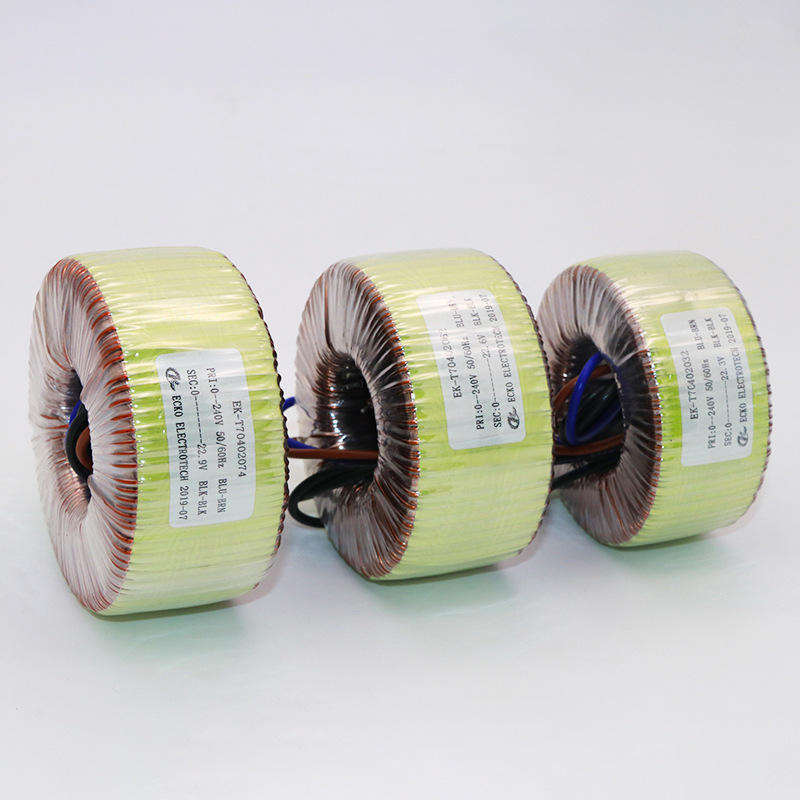
When a toroidal transformer operates in overload equipment, several critical situations emerge that directly impact performance, safety, and equipment longevity. A toroidal transformer is engineered with a donut-shaped magnetic core that provides exceptional efficiency and compact design, but this same architecture creates specific vulnerabilities when subjected to overload conditions. Understanding these situations is essential for engineers, maintenance professionals, and equipment designers who depend on toroidal transformer reliability in demanding industrial applications.
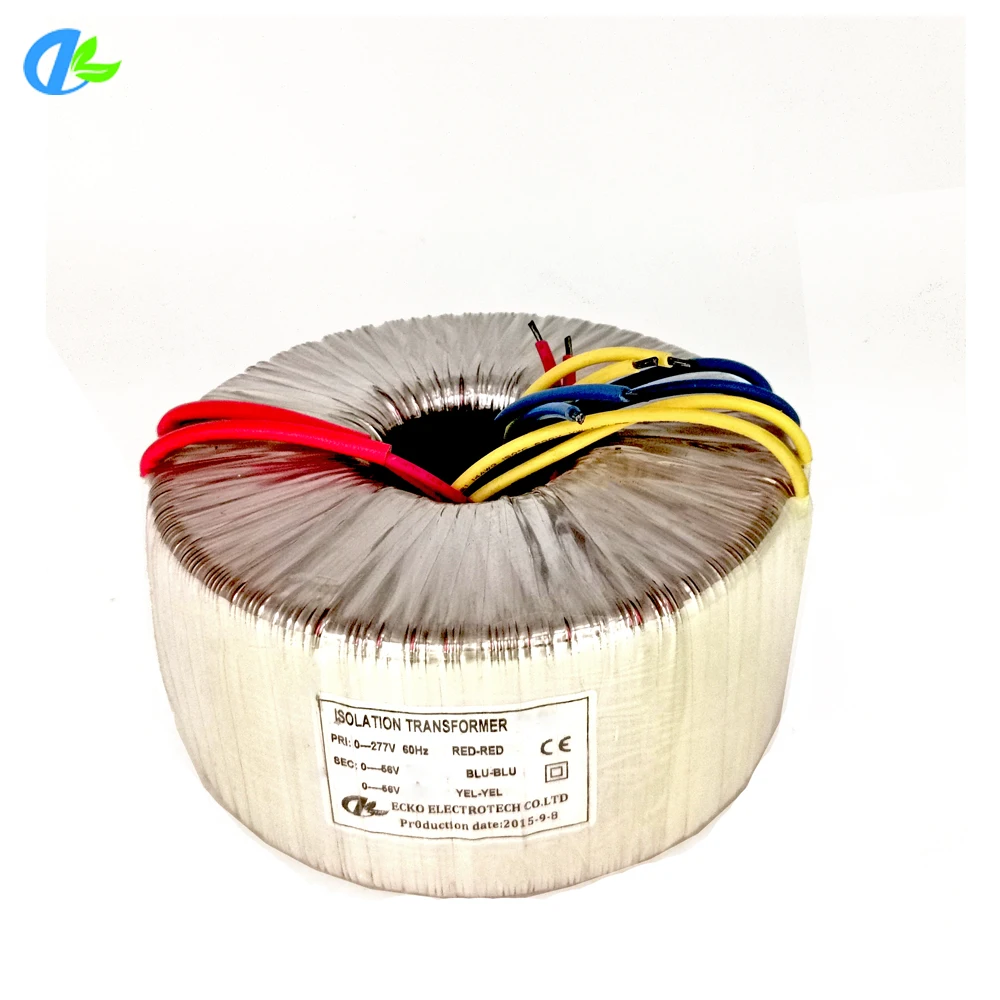
Overload conditions push a toroidal transformer beyond its rated specifications, triggering a cascade of thermal, electrical, and mechanical stresses. The toroidal transformer design, while naturally efficient, concentrates magnetic flux in a tightly wound core that generates intense heat during overload scenarios. This article explores the specific situations that occur when a toroidal transformer faces overload demands, including thermal runaway, winding degradation, core saturation, and system shutdown risks that every equipment operator should recognize.
Thermal Stress and Temperature Rise in Overload Scenarios
Excessive Heat Generation When Toroidal Transformer Operates Beyond Rating
The most immediate situation when a toroidal transformer is subjected to overload is rapid temperature elevation within the core and windings. A toroidal transformer naturally produces less heat than traditional laminated transformers due to its superior efficiency, but overload conditions reverse this advantage. When current exceeds the rated capacity, resistive losses in the copper windings increase exponentially, following the power loss formula where losses equal current squared multiplied by winding resistance. A toroidal transformer handling 150% of its rated load can experience temperature increases of 40 to 60 degrees Celsius beyond normal operating temperature within minutes, potentially reaching dangerous thermal thresholds.
Insulation Breakdown and Winding Failure Risks
Extended thermal stress creates a critical situation where the toroidal transformer insulation system begins to degrade. Modern toroidal transformer insulation materials, typically polyester or polyimide enamel on conductors, have thermal limits usually between 120 and 200 degrees Celsius depending on the insulation class. When a toroidal transformer reaches these temperature thresholds during overload, the insulation becomes brittle and loses its dielectric properties. The situation intensifies because the toroidal transformer core's compact geometry means heat dissipates more slowly than in open-frame designs, allowing temperature to climb unchecked. This cascading thermal stress can lead to insulation puncture, phase-to-phase shorts, or winding-to-core faults that permanently damage the toroidal transformer.
Core Saturation and Magnetic Flux Instability
Magnetic Flux Density Exceeding Safe Operating Limits
A toroidal transformer operates optimally within a specific magnetic flux density range, typically 1.0 to 1.5 Tesla depending on core material. When overload situations occur, the increased primary current drives magnetic flux density far beyond these limits, pushing the toroidal transformer core into saturation. Core saturation is a critical situation where the magnetic core can no longer absorb additional magnetic field strength, causing the toroidal transformer to lose its ability to transfer energy efficiently. The situation creates non-linear behavior where the toroidal transformer impedance drops suddenly, allowing even more current to flow, which further accelerates core saturation and generates additional heat through iron losses.
Harmonic Distortion and Electrical System Impact
When a toroidal transformer enters saturation during overload, the magnetization current becomes highly distorted, creating a situation rich in harmonic content. A saturated toroidal transformer no longer draws sinusoidal current but instead pulls sharp, peaked current pulses that contain multiple harmonic frequencies. This situation affects not only the toroidal transformer itself but the entire electrical system, introducing 3rd, 5th, and 7th harmonics that can interfere with sensitive downstream equipment. The increased harmonic current in a saturated toroidal transformer also amplifies copper losses and core heating, creating a vicious cycle where the toroidal transformer's performance degrades while system-wide power quality deteriorates, potentially triggering protection devices and cascading equipment failures.
Equipment Protection Activation and System Shutdown
Thermal Cutout and Overload Relay Operation
Most industrial applications protecting a toroidal transformer incorporate thermal sensors and overload relays designed to detect when the transformer enters dangerous overload situations. A toroidal transformer equipped with thermal protection will trigger shutdown when internal temperature exceeds design limits, a critical safety situation that prevents catastrophic failure but also interrupts power supply. The situation creates operational challenges because the toroidal transformer must cool before service restoration, leading to production downtime. Additionally, repeated thermal protection activation indicates chronic overload, signaling that the toroidal transformer is undersized for the application or that load management requires redesign. Understanding this protective situation helps operators distinguish between temporary transient overloads and persistent demand patterns requiring a larger toroidal transformer.
Cumulative Damage and Shortened Service Life
Perhaps the most insidious situation with a toroidal transformer in overload equipment is that each overload cycle causes cumulative damage even if the transformer survives. Every instance where a toroidal transformer experiences thermal stress accelerates insulation aging through chemical breakdown of the enamel coating. The situation develops subtly because a toroidal transformer may continue operating after repeated overload events without catastrophic failure, but its remaining useful life shortens dramatically. A toroidal transformer subjected to weekly overload situations might degrade from a 20-year service expectation to only 5 years, representing hidden equipment replacement costs and unexpected failures. This situation emphasizes why monitoring toroidal transformer temperature and load profiles prevents costly premature replacement and unscheduled downtime.
FAQ
What is the typical time frame for a toroidal transformer to reach dangerous temperatures during overload?
A toroidal transformer typically reaches thermal alarm temperatures within 10 to 30 minutes of continuous overload operation, depending on the magnitude of excess load and ambient cooling conditions. A toroidal transformer at 200% of rated capacity can trigger thermal protection in under 15 minutes, while 110% overload might take 45 minutes to reach critical thresholds. The exact time depends on the toroidal transformer's initial temperature, ventilation effectiveness, and whether active cooling systems are present. Industrial applications relying on toroidal transformer protection should monitor this timing to implement preventative load reduction before shutdown occurs.
Can a toroidal transformer recover after being exposed to overload situations?
A toroidal transformer can recover electrically after short-duration overload if thermal stress has not permanently damaged insulation, but the situation is more complex than simple cooling. Complete recovery requires that the toroidal transformer cool to normal operating temperature, typically 30 to 60 minutes after load removal, allowing any internal stress relaxation. However, the toroidal transformer does not fully recover in terms of insulation health—repeated overload situations create cumulative aging even if each cycle allows partial recovery. Testing a toroidal transformer after severe overload with insulation resistance measurements is recommended to confirm no internal faults occurred during the overload situation.
How does a toroidal transformer overload situation differ from traditional laminated transformers?
A toroidal transformer reaches dangerous temperatures faster during overload than comparable laminated transformers because the toroidal transformer's compact core geometry limits heat dissipation surface area. While a toroidal transformer normally outperforms laminated designs in efficiency, this same tight design becomes a disadvantage during overload situations, concentrating heat internally with fewer cooling paths. A toroidal transformer's harmonic distortion during saturation overload also tends to be more pronounced than laminated designs because the toroidal transformer core is more prone to nonlinear saturation behavior. Understanding these differences helps operators select appropriate safety margins and protection schemes when a toroidal transformer serves critical loads in overload-prone equipment.