EN
EN

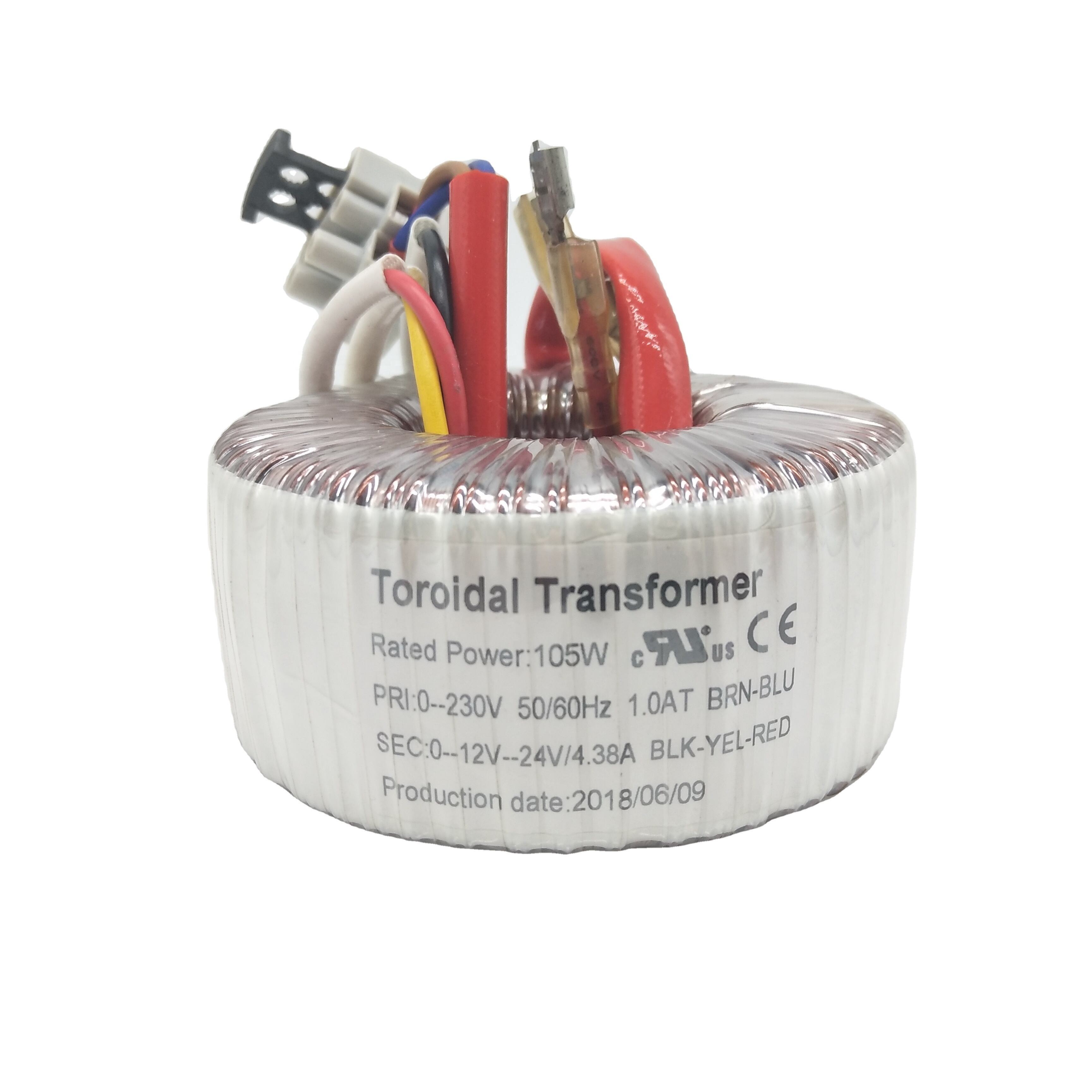
सही एम्पलीफायर ट्रांसफॉर्मर का चयन करना ऑडियो प्रदर्शन को अधिकतम करने और सिस्टम की विश्वसनीयता सुनिश्चित करने के लिए आवश्यक है। चाहे आप एक उच्च-स्तरीय ऑडियो सिस्टम का निर्माण कर रहे हों या मौजूदा उपकरणों का अपग्रेड कर रहे हों, एम्पलीफायर ट्रांसफॉर्मर की मुख्य विशेषताओं को समझना मध्यम और असाधारण ध्वनि गुणवत्ता के बीच का अंतर निर्धारित कर सकता है। आधुनिक एम्पलीफायर ट्रांसफार्मर शक्ति परिवर्तन की नींव के रूप में कार्य करते हैं, जो एसी मेन्स वोल्टेज को एम्पलीफायर सर्किटों द्वारा आवश्यक सटीक डीसी वोल्टेज में परिवर्तित करते हैं।
ट्रांसफॉर्मर की भूमिका केवल वोल्टेज परिवर्तन से अधिक है, जो गतिशील प्रतिक्रिया से लेकर पृष्ठभूमि शोर के स्तर तक सब कुछ को प्रभावित करती है। पेशेवर ऑडियो इंजीनियर और उत्साही दोनों ही यह स्वीकार करते हैं कि एम्पलीफायर ट्रांसफॉर्मर की गुणवत्ता सीधे सिस्टम के समग्र ध्वनिक लक्षणों को प्रभावित करती है। विकल्पों का मूल्यांकन करते समय, संगतता और प्रदर्शन मानकों को सुनिश्चित करने के लिए कई महत्वपूर्ण विशिष्टताओं पर विचार करना आवश्यक है।
शक्ति रेटिंग और क्षमता विचार
वीए (VA) रेटिंग को समझना
वोल्ट-एम्पियर रेटिंग सामान्य संचालन की स्थितियों के तहत एक प्रवर्धक ट्रांसफॉर्मर की अधिकतम शक्ति संभाल क्षमता को दर्शाती है। यह विशिष्टता निर्धारित करती है कि ट्रांसफॉर्मर शिखर मांग के दौरान अत्यधिक गर्म हुए बिना या वोल्टेज ड्रॉप के बिना कितनी धारा सुरक्षित रूप से प्रदान कर सकता है। सही रेटिंग वाला प्रवर्धक ट्रांसफॉर्मर स्थिर संचालन बनाए रखने के लिए प्रवर्धक की अधिकतम शक्ति खपत से कम से कम 20–30% अतिरिक्त क्षमता प्रदान करना चाहिए।
पेशेवर स्थापनाओं के लिए आमतौर पर ट्रांसफार्मर बहु-चैनल और गतिशील ऑडियो सामग्री को समायोजित करने के लिए उच्च VA रेटिंग की आवश्यकता होती है। VA रेटिंग और वास्तविक शक्ति निर्गम के बीच का संबंध जुड़े हुए भार के शक्ति गुणांक पर निर्भर करता है, जिससे विशिष्ट प्रवर्धक टॉपोलॉजी और अपेक्षित उपयोग पैटर्न के आधार पर आवश्यकताओं की गणना करना आवश्यक हो जाता है।
निरंतर बनाम शिखर शक्ति विशिष्टताएँ
निरंतर और शिखर शक्ति रेटिंग के बीच अंतर करना प्रणाली की विफलताओं को रोकता है और दीर्घकालिक विश्वसनीयता सुनिश्चित करता है। निरंतर शक्ति रेटिंग उस स्थायी-अवस्था आउटपुट को दर्शाती है जिसे एम्पलीफायर ट्रांसफॉर्मर अनिश्चित काल तक बनाए रख सकता है, जबकि शिखर रेटिंग अल्पकालिक अतिभार क्षमता को दर्शाती है। ऑडियो अनुप्रयोगों के लिए ऐसे ट्रांसफॉर्मर की आवश्यकता होती है जो संतृप्ति या तापीय क्षति के बिना अचानक शक्ति चोटियों को संभाल सकें।
ट्रांसफॉर्मर के कोर और वाइंडिंग की तापीय विशेषताएँ लंबे समय तक निरंतर शक्ति स्तर को निर्धारित करती हैं। उच्च गुणवत्ता वाले एम्पलीफायर ट्रांसफॉर्मरों में तापीय सुरक्षा तंत्र और मजबूत निर्माण सामग्री शामिल होती हैं, जो कठोर परिस्थितियों के तहत भी प्रदर्शन की स्थिरता बनाए रखने में सक्षम होती हैं।
वोल्टेज नियमन और स्थिरता
लोड नियामन प्रदर्शन
लोड नियामन बताता है कि एक एम्पलीफायर ट्रांसफॉर्मर विभिन्न धारा मांग के अनुसार आउटपुट वोल्टेज को कितनी अच्छी तरह से बनाए रखता है। उत्कृष्ट नियामन विशेषताएँ विभिन्न ध्वनि स्तरों और कार्यक्रम सामग्री की जटिलता के दौरान एम्पलीफायर के सुसंगत प्रदर्शन को सुनिश्चित करती हैं। टोरॉइडल एम्पलीफायर ट्रांसफॉर्मर्स में सामान्य लैमिनेटेड डिज़ाइन की तुलना में सुधारित चुंबकीय युग्मन के कारण आमतौर पर बेहतर नियामन दिखाई देता है।
वोल्टेज स्थिरता सीधे तौर पर एम्पलीफायर के हेडरूम और विकृति विशेषताओं को प्रभावित करती है, विशेष रूप से उच्च-प्रदर्शन ऑडियो प्रणालियों में। कसे हुए नियामन विनिर्देशों वाले ट्रांसफॉर्मर्स गतिशील अंशों के दौरान वोल्टेज ड्रूप को रोकते हैं, जिससे उच्च शक्ति स्तरों पर भी स्पष्ट सिग्नल पुनरुत्पादन बना रहता है।
प्राथमिक वोल्टेज सहनशीलता
आधुनिक एम्पलीफायर ट्रांसफॉर्मर्स को मेन्स वोल्टेज में होने वाले उतार-चढ़ाव को संभालने के साथ-साथ द्वितीयक आउटपुट को स्थिर बनाए रखना आवश्यक होता है। व्यापक इनपुट वोल्टेज सहनशीलता सीमाएँ अंतर्राष्ट्रीय अनुप्रयोगों के लिए लचीलापन प्रदान करती हैं और उपयोगिता ग्रिड के उतार-चढ़ाव की भरपाई करती हैं। यह विशेषता व्यावसायिक स्थापनाओं में विशेष रूप से महत्वपूर्ण हो जाती है, जहाँ स्थान के बावजूद निरंतर प्रदर्शन आवश्यक होता है।
उन्नत ट्रांसफॉर्मर डिज़ाइनों में कई प्राथमिक टैप्स या सार्वभौमिक इनपुट कॉन्फ़िगरेशन शामिल होते हैं, जो विभिन्न वोल्टेज मानकों के आरोपण के दौरान प्रदर्शन को अनुकूलित करने के लिए उपयोग किए जाते हैं। ये विशेषताएँ अलग-अलग मॉडलों की आवश्यकता को समाप्त कर देती हैं, जबकि पूरी इनपुट श्रेणी में दक्षता और नियामन को बनाए रखती हैं।
आवृत्ति प्रतिक्रिया और बैंडविड्थ
कोर सामग्री का चयन
चुंबकीय कोर सामग्री एम्पलीफायर ट्रांसफॉर्मर की आवृत्ति प्रतिक्रिया विशेषताओं और समग्र प्रदर्शन को महत्वपूर्ण रूप से प्रभावित करती है। उच्च-गुणवत्ता वाले सिलिकॉन स्टील कोर ऑडियो स्पेक्ट्रम के पूरे दायरे में न्यूनतम हानि के साथ उत्कृष्ट चुंबकीय गुण प्रदान करते हैं। कुछ प्रीमियम डिज़ाइन अति-कम विकृति अनुप्रयोगों के लिए अनुकूलित विशिष्ट कोर सामग्री का उपयोग करते हैं।
कोर निर्माण तकनीकें यांत्रिक और विद्युत दोनों गुणों को प्रभावित करती हैं, जिसमें टोरॉइडल ज्यामिति चुंबकीय क्षेत्र संरक्षण और दक्षता में लाभ प्रदान करती है। कोर सामग्री की दान अभिविन्यास और ऐनीलिंग प्रक्रिया हिस्टेरिसिस हानि को निर्धारित करती है और ट्रांसफॉर्मर के समग्र ध्वनिक स्वरूप में योगदान देती है।
वाइंडिंग विन्यास का प्रभाव
प्राथमिक और द्वितीयक वाइंडिंग व्यवस्थाएँ रिसाव प्रेरकत्व, अंतर-वाइंडिंग संधारित्रता और आवृत्ति प्रतिक्रिया विशेषताओं को प्रभावित करती हैं। सावधानीपूर्ण रूप से डिज़ाइन की गई वाइंडिंग पैटर्न पैरासिटिक प्रभावों को न्यूनतम करती हैं जबकि युग्मन दक्षता को अधिकतम करती हैं। निर्माण में उपयोग किए गए तार के गेज और विद्युतरोधी सामग्रियाँ दोनों विद्युत प्रदर्शन और तापीय प्रबंधन क्षमताओं को प्रभावित करती हैं।
पेशेवर-श्रेणी के एम्पलीफायर ट्रांसफॉर्मर्स अक्सर रिसाव प्रेरकत्व को कम करने और उच्च-आवृत्ति प्रतिक्रिया को बेहतर बनाने के लिए खंडित वाइंडिंग तकनीकों का उपयोग करते हैं। ये डिज़ाइन विचार व्यापक-बैंडविड्थ एम्पलीफायर अनुप्रयोगों में और भी महत्वपूर्ण हो जाते हैं, जहाँ ट्रांसफॉर्मर की सीमाएँ पूर्ण प्रणाली प्रदर्शन को समाप्त कर सकती हैं।
यांत्रिक और तापीय विशेषताएँ
निर्माण गुणवत्ता और स्थायित्व
मजबूत यांत्रिक निर्माण एम्पलीफायर ट्रांसफॉर्मर के सेवा जीवन के दौरान विश्वसनीय संचालन सुनिश्चित करता है। उच्च-गुणवत्ता वाली इकाइयों में मजबूती प्रदान करने वाले माउंटिंग प्रणाली, कंपन-प्रतिरोधी कोर असेंबली और निर्धारित संचालन वातावरण के लिए अनुमोदित सुरक्षात्मक आवरण शामिल होते हैं। माउंटिंग विन्यास दोनों यांत्रिक स्थिरता और विद्युत चुम्बकीय विलगन को प्रभावित करता है।
पर्यावरणीय विचारों में तापमान चक्र, आर्द्रता के प्रति संवेदनशीलता और संभावित दूषण स्रोत शामिल हैं। औद्योगिक-श्रेणी के एम्पलीफायर ट्रांसफॉर्मर में उन्नत विद्युत रोधन प्रणाली और संक्षारण-प्रतिरोधी सामग्री शामिल होती हैं, जो कठोर संचालन स्थितियों को सहन करने के साथ-साथ विद्युत सुरक्षा मानकों को बनाए रखने में सक्षम होती हैं।
तापीय प्रबंधन प्रणाली
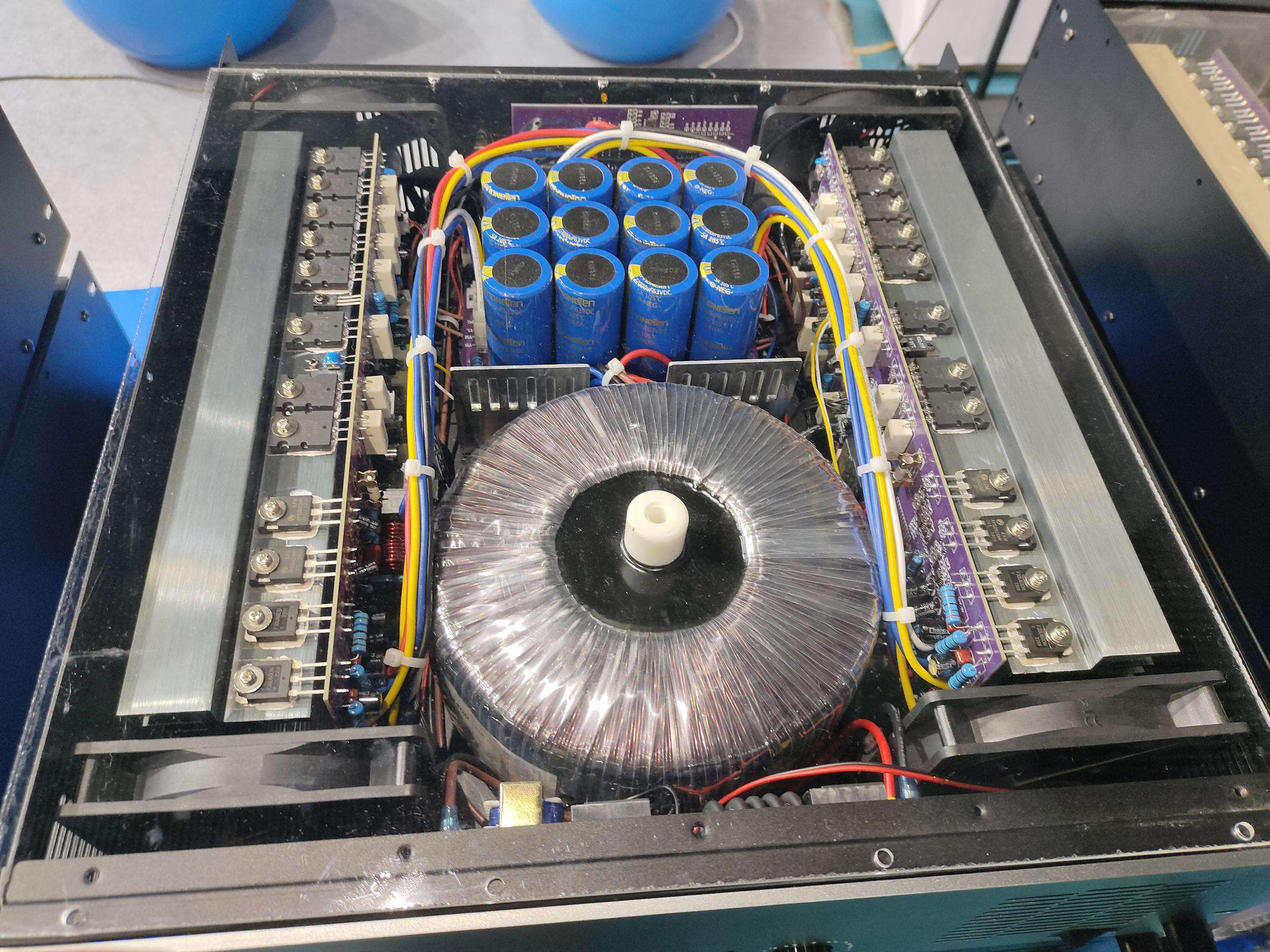
प्रभावी ऊष्मा अपवहन तापीय संबंधित विफलताओं को रोकता है और सुसंगत प्रदर्शन विशेषताओं को बनाए रखता है। उन्नत शीतलन समाधानों में बल प्रवाहित वायु संचलन, हीट सिंक या तापीय इंटरफ़ेस सामग्री शामिल हो सकती हैं, जो तापमान वितरण को अनुकूलित करने के लिए उपयोग की जाती हैं। तापीय समय ध्रुव (थर्मल टाइम कॉन्स्टेंट) निर्धारित करता है कि कितनी तेज़ी से एम्पलीफायर ट्रांसफॉर्मर भार परिवर्तनों और वातावरणीय तापमान परिवर्तनों के प्रति प्रतिक्रिया करता है।
तापमान वृद्धि विशिष्टताएँ वातावरणीय स्थितियों के ऊपर अधिकतम अनुमेय संचालन तापमान को दर्शाती हैं। संरक्षणवादी तापीय डिज़ाइन मार्जिन खराब वेंटिलेशन वाली स्थापनाओं या पेशेवर ऑडियो उपकरण रैक्स में सामान्य उच्च-तापमान वातावरणों में भी विश्वसनीय संचालन सुनिश्चित करते हैं।
दक्षता और शक्ति हानि पर विचार
कोर हानि का न्यूनीकरण
कोर हानियाँ चुंबकीय सामग्री के भीतर ऊष्मा के रूप में विसिप्त ऊर्जा को दर्शाती हैं, जो सीधे दक्षता और संचालन तापमान को प्रभावित करती हैं। आधुनिक एम्पलीफायर ट्रांसफॉर्मर डिज़ाइन कम-हानि कोर सामग्रियों और अनुकूलित फ्लक्स घनत्वों का उपयोग करते हैं ताकि इन हानियों को न्यूनतम किया जा सके, जबकि पर्याप्त चुंबकीय प्रदर्शन बनाए रखा जा सके। स्विचिंग अनुप्रयोगों में कोर हानि और संचालन आवृत्ति के बीच का संबंध विशेष रूप से महत्वपूर्ण हो जाता है।
हिस्टेरिसिस और भंवर धारा के कारण होने वाली हानियाँ कुल कोर हानियों में योगदान देती हैं, जहाँ सामग्री के चयन और निर्माण तकनीकों के माध्यम से अनुकूलन के अवसर प्रदान किए जाते हैं। उच्च-गुणवत्ता वाले एम्पलीफायर ट्रांसफॉर्मरों में पारंपरिक सिलिकॉन स्टील डिज़ाइनों की तुलना में उत्कृष्ट दक्षता विशेषताओं को प्राप्त करने के लिए अमॉर्फस या नैनोक्रिस्टलाइन कोर सामग्रियों को शामिल किया जा सकता है।
ताँबे की हानि का अनुकूलन
ट्रांसफॉर्मर के वाइंडिंग में प्रतिरोधी हानियाँ, जिन्हें कॉपर हानियाँ कहा जाता है, लोड धारा के साथ बढ़ती हैं और कुल दक्षता में महत्वपूर्ण योगदान देती हैं। उचित तार के आकार और वाइंडिंग तकनीकों से इन हानियों को कम किया जा सकता है, जबकि पर्याप्त धारा वहन क्षमता बनाए रखी जाती है। प्रत्येक अनुप्रयोग के लिए तार के गेज, वाइंडिंग स्थान और लागत के बीच संतुलन सावधानीपूर्ण अनुकूलन की आवश्यकता होती है।
उन्नत एम्पलीफायर ट्रांसफॉर्मर डिज़ाइन में उच्च आवृत्तियों पर एसी प्रतिरोध के प्रभाव को कम करने के लिए समानांतर वाइंडिंग तकनीकों या विशिष्ट चालक विन्यासों का उपयोग किया जा सकता है। ये डिज़ाइन विचार उन उच्च-धारा अनुप्रयोगों में विशेष रूप से महत्वपूर्ण हो जाते हैं, जहाँ तांबे के नुकसान से दक्षता और थर्मल प्रदर्शन पर काफी प्रभाव पड़ सकता है।
शोर और हस्तक्षेप के गुण
इलेक्ट्रोमैग्नेटिक शील्डिंग
प्रभावी विद्युत चुंबकीय शील्डिंग एम्पलीफायर ट्रांसफॉर्मर से और ट्रांसफॉर्मर की ओर होने वाले हस्तक्षेप को रोकती है, जिससे संवेदनशील ऑडियो अनुप्रयोगों में सिग्नल अखंडता बनी रहती है। उचित शील्डिंग डिज़ाइन में चुंबकीय और विद्युत क्षेत्र की पारस्परिक क्रियाओं पर विचार किया जाता है, जिसके लिए अक्सर विभिन्न सामग्रियों और विन्यासों के साथ कई शील्डिंग परतों की आवश्यकता होती है।
टोरॉइडल एम्पलीफायर ट्रांसफॉर्मर्स का निर्माण बंद चुंबकीय लूप के आधार पर होता है, जिसके कारण ये पारंपरिक डिज़ाइनों की तुलना में स्वतः ही बेहतर क्षेत्र सीमांकन प्रदान करते हैं। अत्यंत संवेदनशील अनुप्रयोगों में या जब कई ट्रांसफॉर्मर्स एक-दूसरे के निकट संचालित हो रहे हों, तो अतिरिक्त म्यू-मेटल शील्ड्स या तांबे के आवरणों की आवश्यकता हो सकती है।
यांत्रिक कंपन नियंत्रण
चेसिस के माध्यम से संचारित यांत्रिक कंपन ऑडियो सिग्नल पाथ में अवांछित शोर को जोड़ सकते हैं। उच्च गुणवत्ता वाले एम्पलीफायर ट्रांसफॉर्मर्स में कंपन विलगन माउंटिंग प्रणालियाँ और कोर अभिसरण तकनीकें शामिल होती हैं, जो यांत्रिक शोर उत्पादन को कम करने के लिए डिज़ाइन की गई हैं। कोर का निर्माण और क्लैम्पिंग बल यांत्रिक अनुनादों और कंपन संचरण को काफी हद तक प्रभावित करते हैं।
पेशेवर ऑडियो स्थापनाओं में अक्सर लचीले माउंटिंग पैड या डिकपल्ड ट्रांसफॉर्मर कक्षों जैसे अतिरिक्त विलगन उपायों की आवश्यकता होती है। ये उपाय उच्च-लाभ (हाई-गेन) अनुप्रयोगों में विशेष रूप से महत्वपूर्ण हो जाते हैं, जहाँ यांत्रिक युग्मन की भी थोड़ी सी मात्रा सुनने योग्य हस्तक्षेप उत्पन्न कर सकती है।
सुरक्षा और अनुपालन मानक
विद्युत सुरक्षा आवश्यकताएं
व्यावसायिक और उपभोक्ता अनुप्रयोगों में उपयोग किए जाने वाले एम्पलीफायर ट्रांसफॉर्मरों के डिज़ाइन और निर्माण को व्यापक सुरक्षा मानकों द्वारा नियंत्रित किया जाता है। ये मानक निरोध स्तरों, क्रीपेज दूरियों और दोष सुरक्षा तंत्रों को संबोधित करते हैं, ताकि सामान्य और असामान्य स्थितियों में सुरक्षित संचालन सुनिश्चित किया जा सके। अधिकांश व्यावसायिक अनुप्रयोगों के लिए प्रासंगिक सुरक्षा कोडों के अनुपालन का होना अनिवार्य है।
दोहरी निरोध प्रणालियाँ और मजबूत किए गए अवरोध विद्युत झटके के खतरों से सुरक्षा प्रदान करते हैं, जो विशेष रूप से पोर्टेबल या उपयोगकर्ता-पहुँच योग्य उपकरणों के लिए महत्वपूर्ण हैं। एम्पलीफायर ट्रांसफॉर्मर की निरोध प्रणाली को उच्च वोल्टेज, आवेग और पर्यावरणीय अनुमति मूल्यांकन सहित विभिन्न तनाव परीक्षणों को सफलतापूर्वक पार करने में सक्षम होना चाहिए।
INTERNATIONAL CERTIFICATION REQUIREMENTS
वैश्विक बाज़ार तक पहुँच के लिए कई अंतर्राष्ट्रीय मानकों और प्रमाणन योजनाओं के अनुपालन की आवश्यकता होती है। विभिन्न क्षेत्रों में दक्षता, सुरक्षा और विद्युत चुंबकीय संगतता के लिए विशिष्ट आवश्यकताएँ हो सकती हैं, जो ट्रांसफॉर्मर के डिज़ाइन विकल्पों को प्रभावित करती हैं। चयन प्रक्रिया के शुरुआती चरण में इन आवश्यकताओं को समझना महंगे पुनर्डिज़ाइन और प्रमाणन में देरी को रोकता है।
पर्यावरणीय विनियमन खतरनाक पदार्थों पर प्रतिबंध और ऊर्जा दक्षता के आदेशों के माध्यम से एम्पलीफायर ट्रांसफॉर्मर के डिज़ाइन को बढ़ते हुए ढंग से प्रभावित कर रहे हैं। RoHS अनुपालन और ऊर्जा दक्षता निर्देश विकास प्रक्रिया भर में सामग्री के चयन और डिज़ाइन अनुकूलन रणनीतियों को प्रभावित करते हैं।
सामान्य प्रश्न
मेरे ऑडियो सिस्टम के लिए मुझे किस आकार का एम्पलीफायर ट्रांसफॉर्मर चाहिए?
आवश्यक ट्रांसफॉर्मर का आकार आपके एम्पलीफायर की शक्ति खपत और वांछित हेडरूम पर निर्भर करता है। सभी जुड़े हुए एम्पलीफायर चैनलों की कुल शक्ति खपत की गणना करें और 25–30% की सुरक्षा सीमा जोड़ें। गतिशील ऑडियो सामग्री के दौरान शिखर शक्ति की मांगों पर विचार करें, क्योंकि अपर्याप्त ट्रांसफॉर्मर क्षमता के कारण वोल्टेज ड्रॉप और प्रदर्शन में कमी आ सकती है। टोरॉइडल एम्पलीफायर ट्रांसफॉर्मर आमतौर पर पारंपरिक डिज़ाइनों की तुलना में बेहतर नियमन और दक्षता प्रदान करते हैं।
कोर सामग्री एम्पलीफायर ट्रांसफॉर्मर के प्रदर्शन को कैसे प्रभावित करती है
कोर सामग्री सीधे एम्पलीफायर ट्रांसफॉर्मर की दक्षता, आवृत्ति प्रतिक्रिया और चुंबकीय विशेषताओं को प्रभावित करती है। उच्च-ग्रेड सिलिकॉन स्टील में कम कोर हानि के साथ उत्कृष्ट चुंबकीय गुण होते हैं, जबकि अमॉर्फस कोर जैसी विशिष्ट सामग्रियाँ उत्कृष्ट दक्षता प्रदान करती हैं। कोर के निर्माण विधि—चाहे वह परतदार (लैमिनेटेड) हो या टोरॉइडल—चुंबकीय क्षेत्र के संरक्षण और यांत्रिक कंपन विशेषताओं को प्रभावित करती है, जिससे समग्र ऑडियो प्रणाली के प्रदर्शन पर प्रभाव पड़ता है।
एम्पलीफायर ट्रांसफॉर्मर को किस प्रकार का रखरखाव की आवश्यकता होती है
गुणवत्तापूर्ण एम्पलीफायर ट्रांसफॉर्मर को उचित रूप से स्थापित करने और विनिर्देशों के भीतर संचालित करने पर न्यूनतम रखरखाव की आवश्यकता होती है। नियमित निरीक्षण में माउंटिंग हार्डवेयर की जाँच, संचालन तापमान की निगरानी और उचित वेंटिलेशन की पुष्टि शामिल होनी चाहिए। अत्यधिक गर्म होने, असामान्य गंध या यांत्रिक कंपन के लक्षणों की तलाश करें, जो विकसित हो रही समस्याओं का संकेत दे सकते हैं। पेशेवर स्थापनाओं को इन्सुलेशन की अखंडता और प्रदर्शन विशेषताओं की पुष्टि के लिए आवधिक विद्युत परीक्षण से लाभ हो सकता है।
क्या मैं एकल ट्रांसफॉर्मर का उपयोग कई एम्पलीफायर चैनलों के लिए कर सकता हूँ
एकल एम्पलीफायर ट्रांसफॉर्मर को उचित आकार और उचित द्वितीयक वाइंडिंग के साथ कॉन्फ़िगर करने पर कई चैनलों को शक्ति प्रदान कर सकता है। यह दृष्टिकोण व्यक्तिगत ट्रांसफॉर्मरों की तुलना में अधिक लागत-प्रभावी हो सकता है, लेकिन इसमें लोड संतुलन और दोष अलगाव के सावधानीपूर्ण विचार की आवश्यकता होती है। ट्रांसफॉर्मर की VA रेटिंग को सभी जुड़े चैनलों की संयुक्त शक्ति आवश्यकताओं को संतुष्ट करने के साथ-साथ गतिशील संचालन और संभावित लोड असंतुलन के लिए पर्याप्त अतिरिक्त क्षमता (हेडरूम) भी प्रदान करनी चाहिए।